WHAT IS THE EUROPEAN UNION?
A union of sovereign nations sharing a common future
states
single market
the euro
humanitarian aid
United sovereignty
The EU is made up of 28 sovereign, independent countries that have transferred part of their powers to shared institutions in order to gain the strength and advantages that come with size. The EU system sits somewhere between the federal system of the United States and the intergovernmental cooperation we know from the United Nations.
Achievements and the future
The EU has built a single market for goods and services with more than 500 million citizens who can move freely. It leads the fight against climate change, helps neighbouring countries prepare for membership and is building a common foreign policy to spread European values around the world.
KEY DOCUMENTS
History of the EU treaties
When Robert Schuman proposed integrating the coal and steel industries of Western Europe in 1950, the forerunner of the EU was born – the European Coal and Steel Community. Since then, the EU has regularly updated its treaties to ensure effective policy-making and decision-making.
Treaty of Paris
Establishes the European Coal and Steel Community. Signed on 18 April 1951, it entered into force in 1952. It expired in 2002.
Treaties of Rome
Establish the European Economic Community (EEC) and Euratom. Signed in Rome on 25 March 1957, they entered into force in 1958.
Single European Act (SEA)
Signed in February 1986, it entered into force in 1987. It amended the EEC Treaty and paved the way for the completion of the single market.
Maastricht Treaty
Establishes the European Union, gives the Parliament greater powers and adds new areas of cooperation. It entered into force in 1993.
Treaty of Amsterdam
Signed on 2 October 1997, it entered into force in 1999. It amended and supplemented the earlier treaties.
Treaty of Nice
Signed on 26 February 2001, it entered into force in 2003. It reorganised the EU institutional system in preparation for the 2004 enlargement.
Treaty of Lisbon
Signed on 13 December 2007, it entered into force in 2009. It simplified working and voting methods and introduced the office of President of the European Council.
The EU pioneers — from resistance fighters to lawyers and parliamentarians — were a diverse group of people who believed in the same ideals: a united Europe of peace and prosperity. Many others inspired the European project and worked tirelessly to make it a reality.
JOURNEY THROUGH TIME
History of the EU
The European Union is the result of decades of striving for peace, stability and shared prosperity. From the first ideas after the Second World War to today's union of 27 member states – this is the story of cooperation that changes continents.
1945 – 1950
The idea of peace
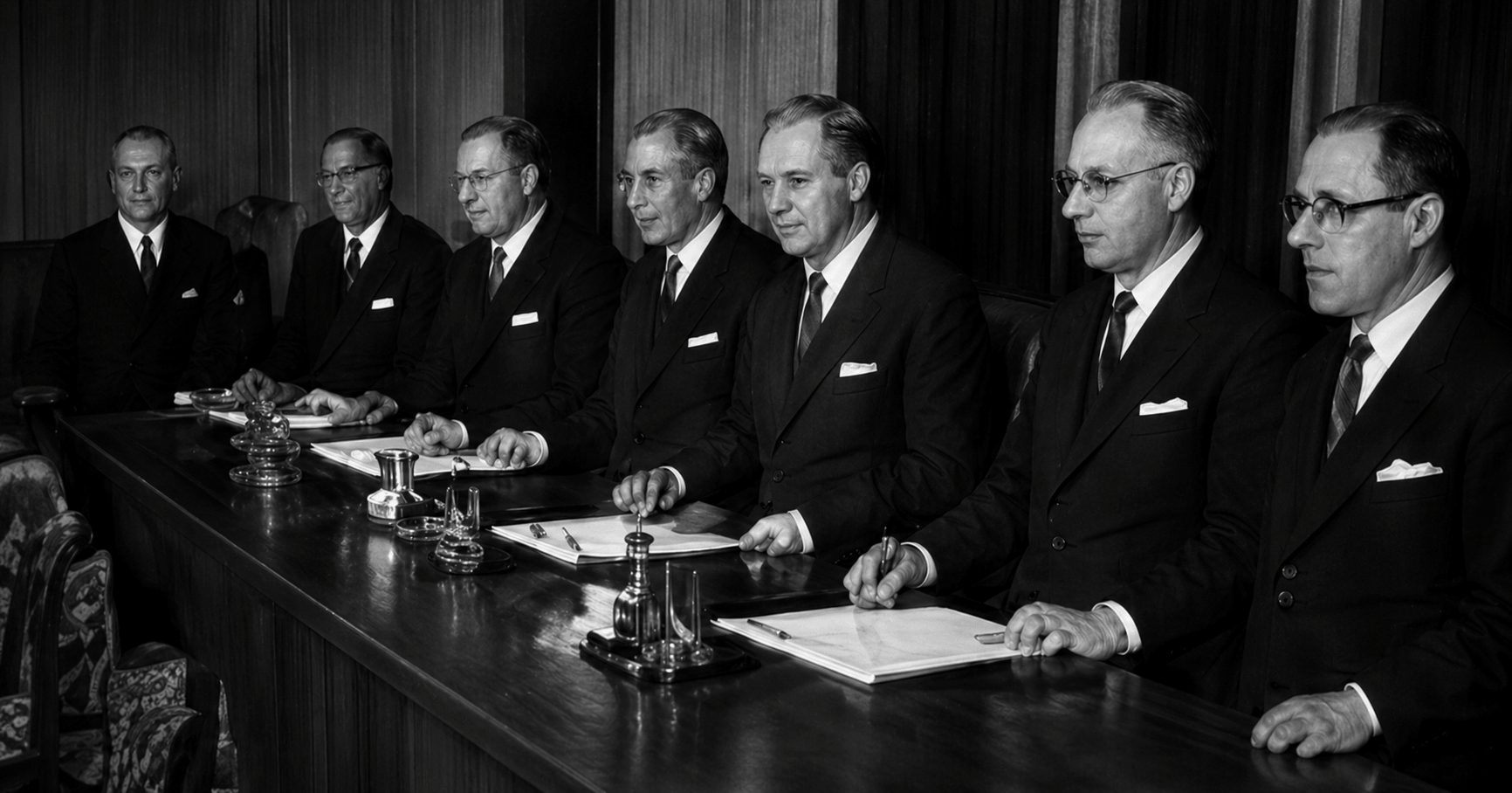
After the devastation of the Second World War, European leaders begin to cooperate in order to secure lasting peace and promote shared values.
See more ▼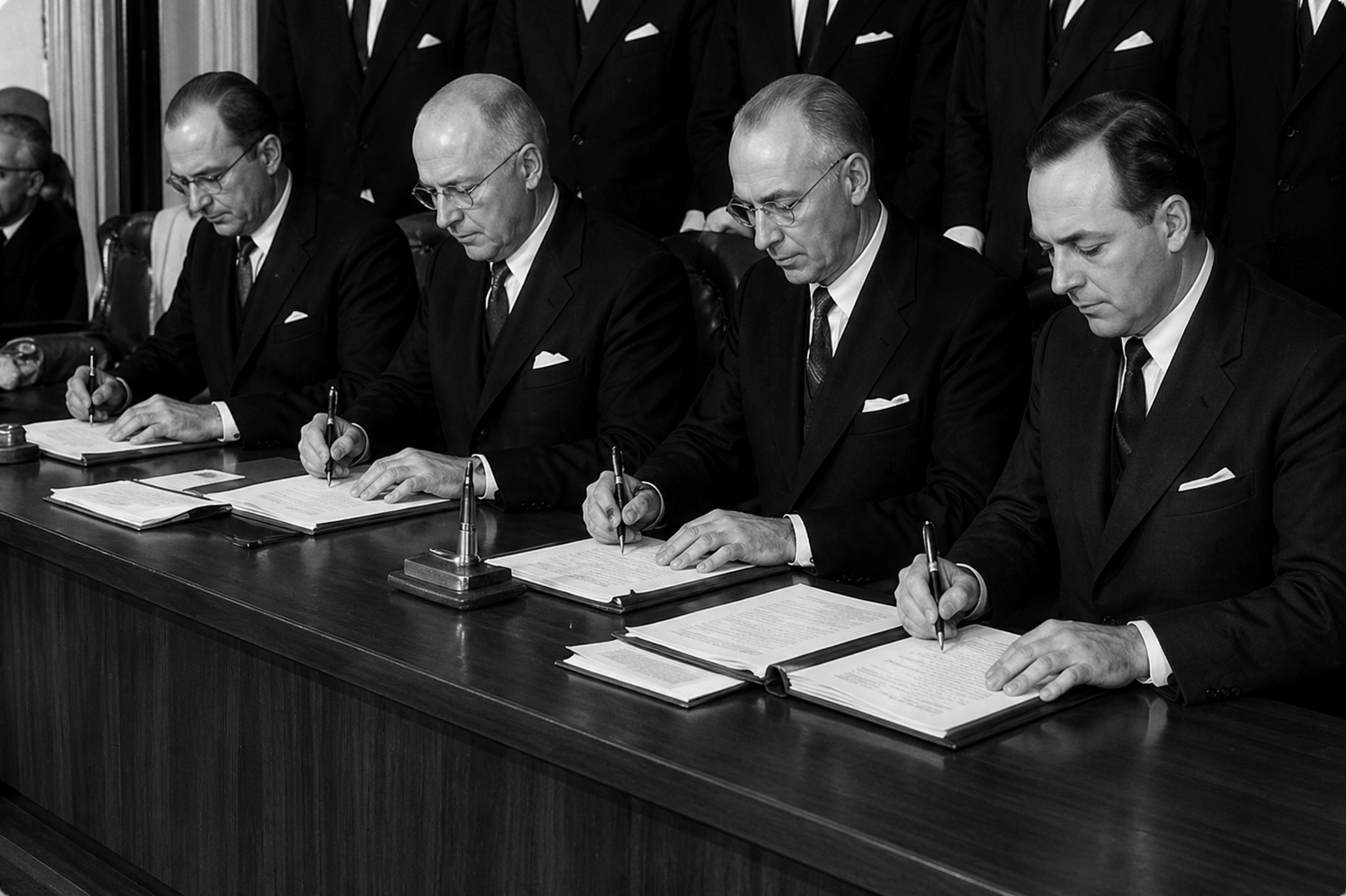
1950 – 1958
The foundations of Europe
The signing of the Schuman Declaration (1950) and the Treaties of Rome (1957) gives rise to the first European communities: the ECSC, the EEC and Euratom.
See more ▼
1958 – 1985
A shared future
The Treaty of Rome established the European Economic Community. A period of enlargement, the development of common policies and the strengthening of institutions.
See more ▼
1986 – 1999
Europe without borders
The single European market (1986) and the Maastricht Treaty (1992) marked a new step towards political and economic union.
See more ▼
2000 – 2009
Deeper and wider
The introduction of the euro, enlargement to the east and the strengthening of European cooperation. The EU becomes a key player on the global stage.
See more ▼
2010 – today
Together for the future
Today Europe is working on sustainable development, digital transformation, climate goals and strengthening democracy and solidarity.
See more ▼