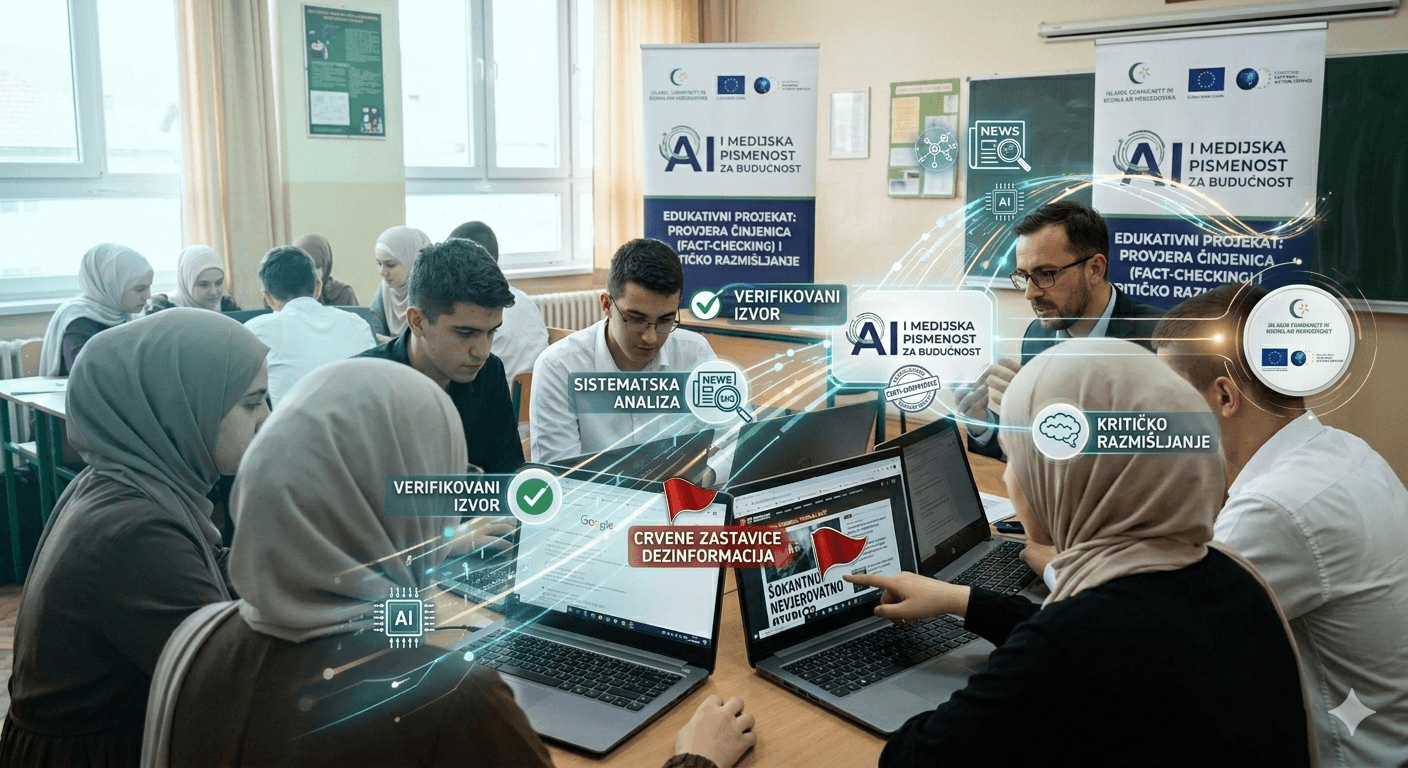
Students learned how to verify the source of information
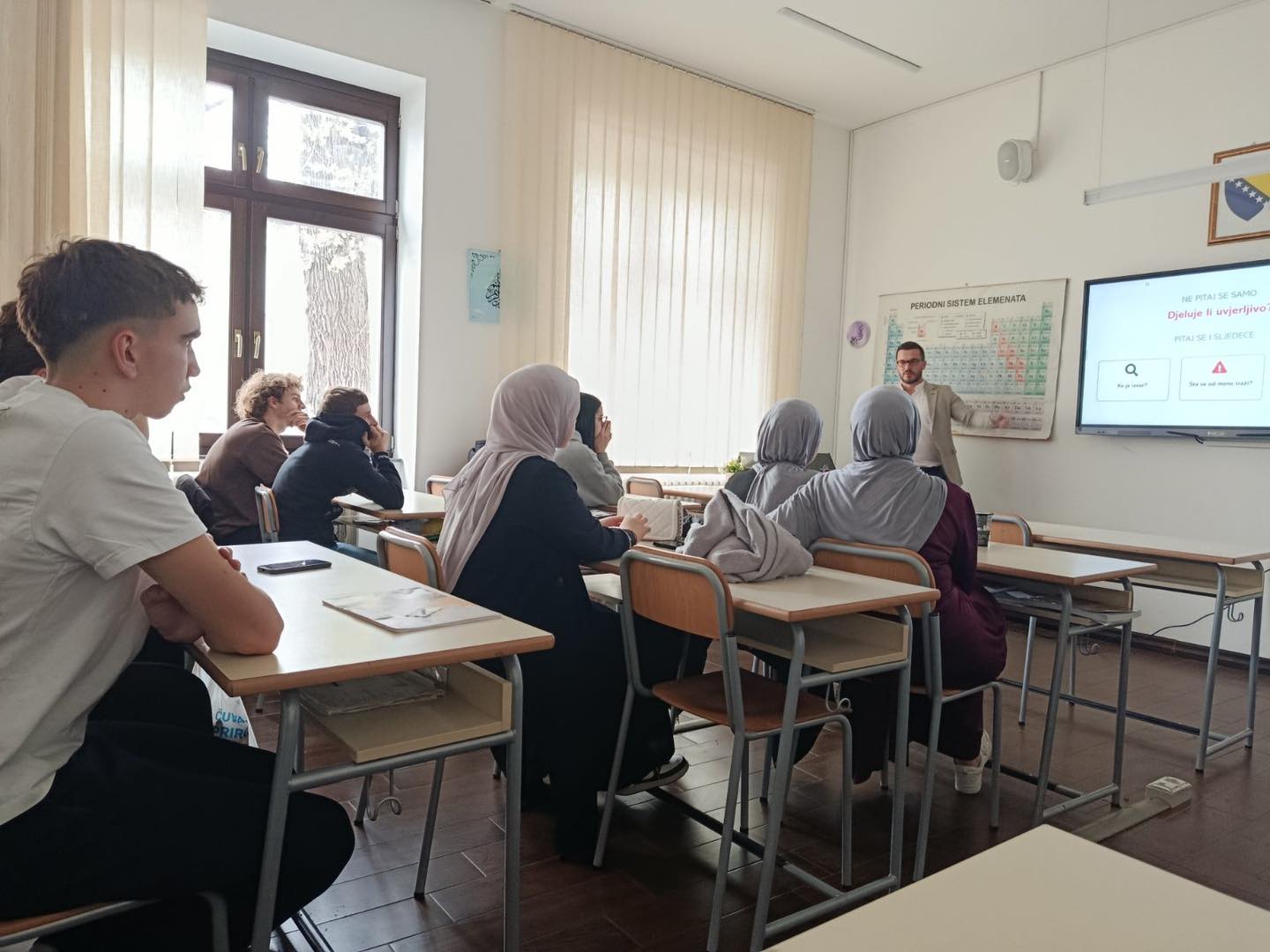
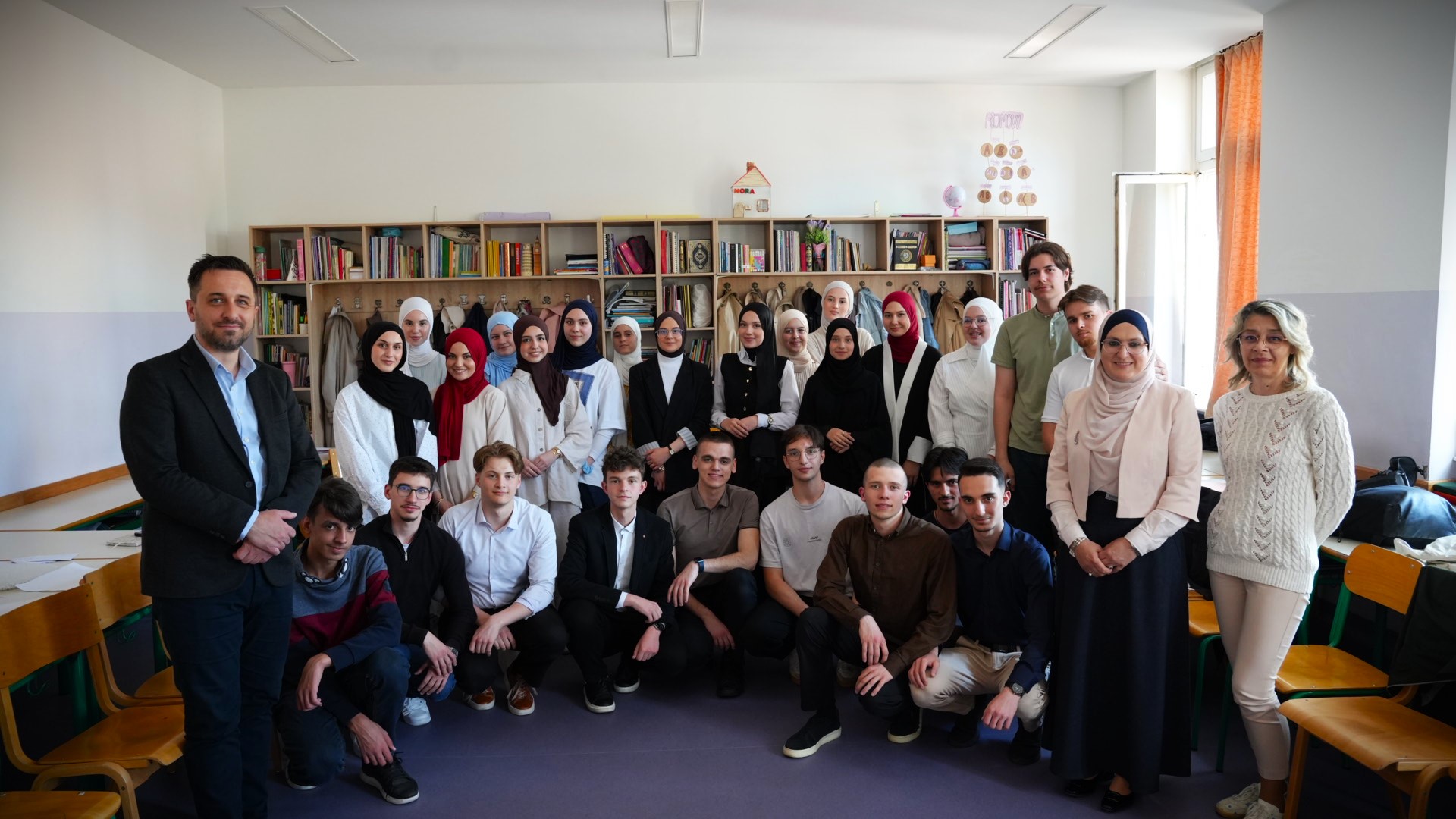
The first lecture and workshop, "Recognizing Facts in the Age of Digital Deception," was held by Amer Džihana. A special focus was placed on the fact-checking methodology as a systematic approach to information analysis.
Students learned how to verify the source of information, and they were also introduced to the so-called "red flags" of false information, which include sensationalist and clickbait headlines highlighted by descriptions such as "unbelievable," "shocking," etc.
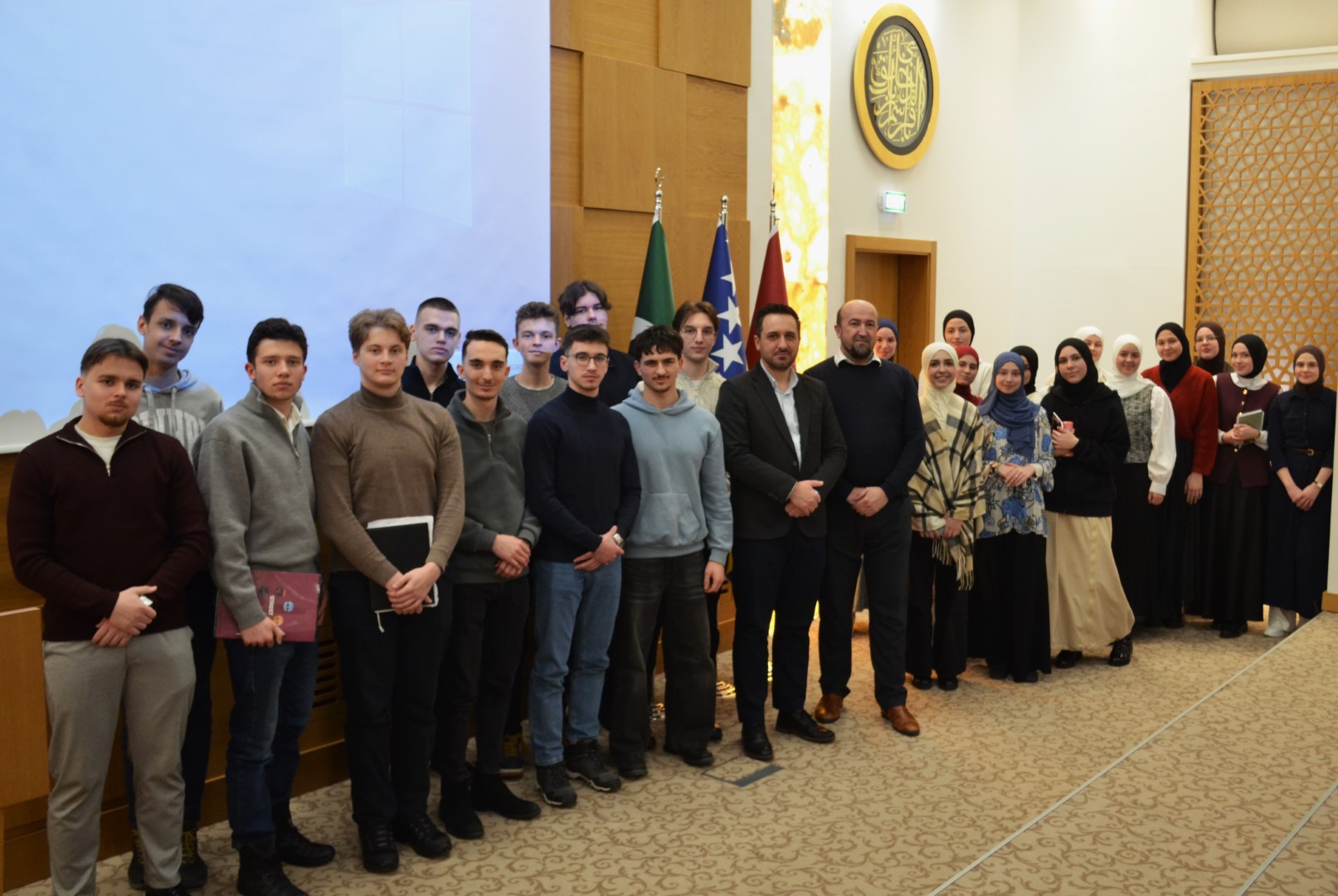
The second lecture and workshop was held by Muhamed Jusić, who spoke about modern forms of disinformation, information warfare, and propaganda on digital platforms, with a special focus on bot networks, political narratives, and manipulations related to European integration.
Through practical examples and case studies from election campaigns, Jusić presented classic propaganda techniques adapted to the digital age and emphasized the importance of media ethics and truthfulness as a fundamental value, including the Islamic perspective on responsible informing. Lectures within the first module will also be held by Zarfa Hrnjić-Kuduzović, who will speak about social network algorithms and echo chambers, as well as the authority and reliability of traditional and modern digital media.
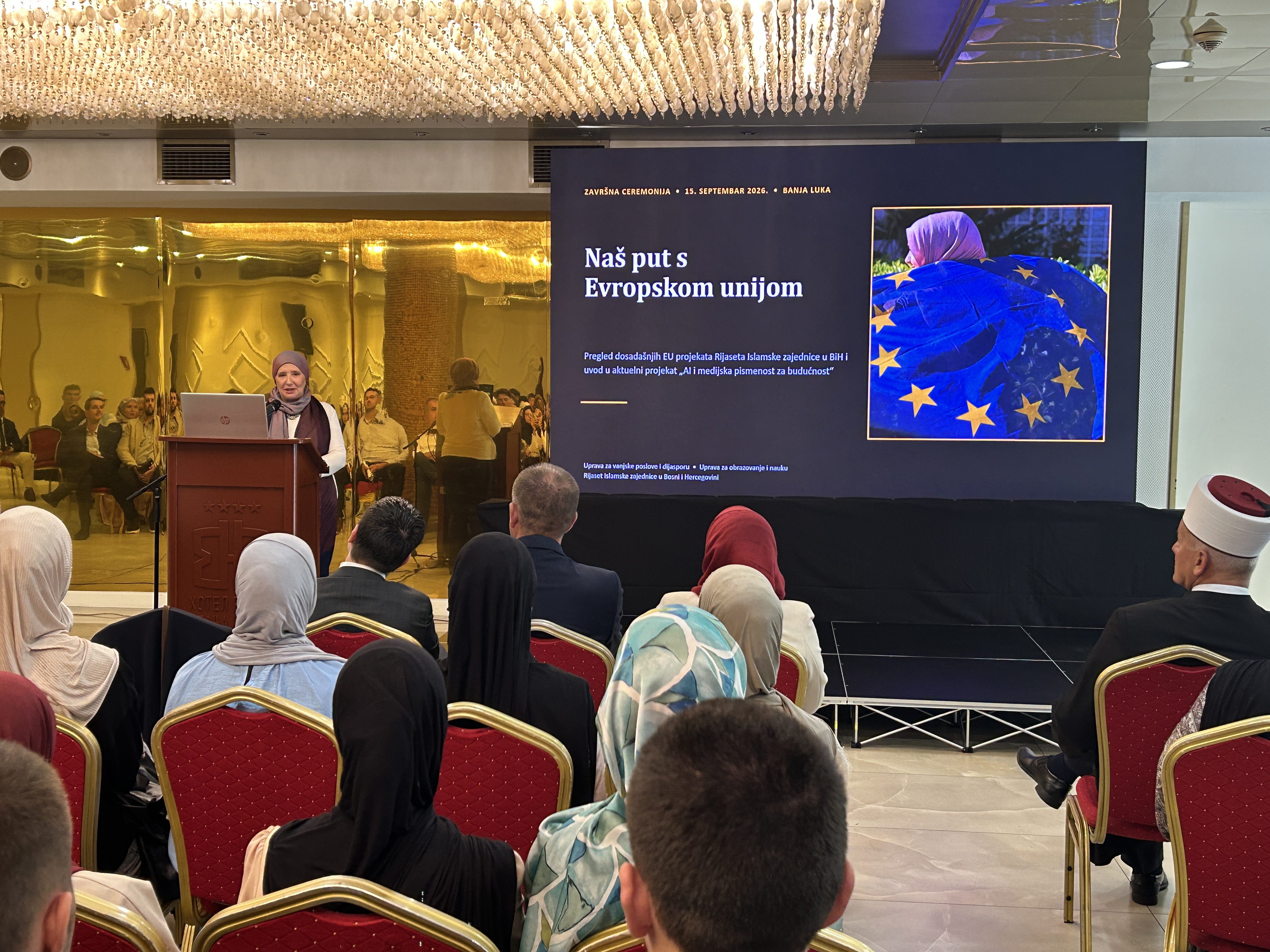
The project "AI and Media Literacy for the Future" is being implemented by the Islamic Community in Bosnia and Herzegovina, through the Directorate for Foreign Affairs and Diaspora and the Directorate for Education and Science of the Riyasat of the Islamic Community in cooperation with the European Union and the European External Action Service (EEAS). It is a nine-month project that will be implemented with four modules in all seven madrasas in Bosnia and Herzegovina, and will include more than 150 students, who will receive certificates for their acquired competencies upon completion of the program.
The goal of the project is to empower young people with knowledge and skills in the fields of media and digital literacy, critical thinking, and the responsible and ethical use of artificial intelligence, so that they become active and responsible participants in the modern digital society.