Continuation of education on AI and media literacy
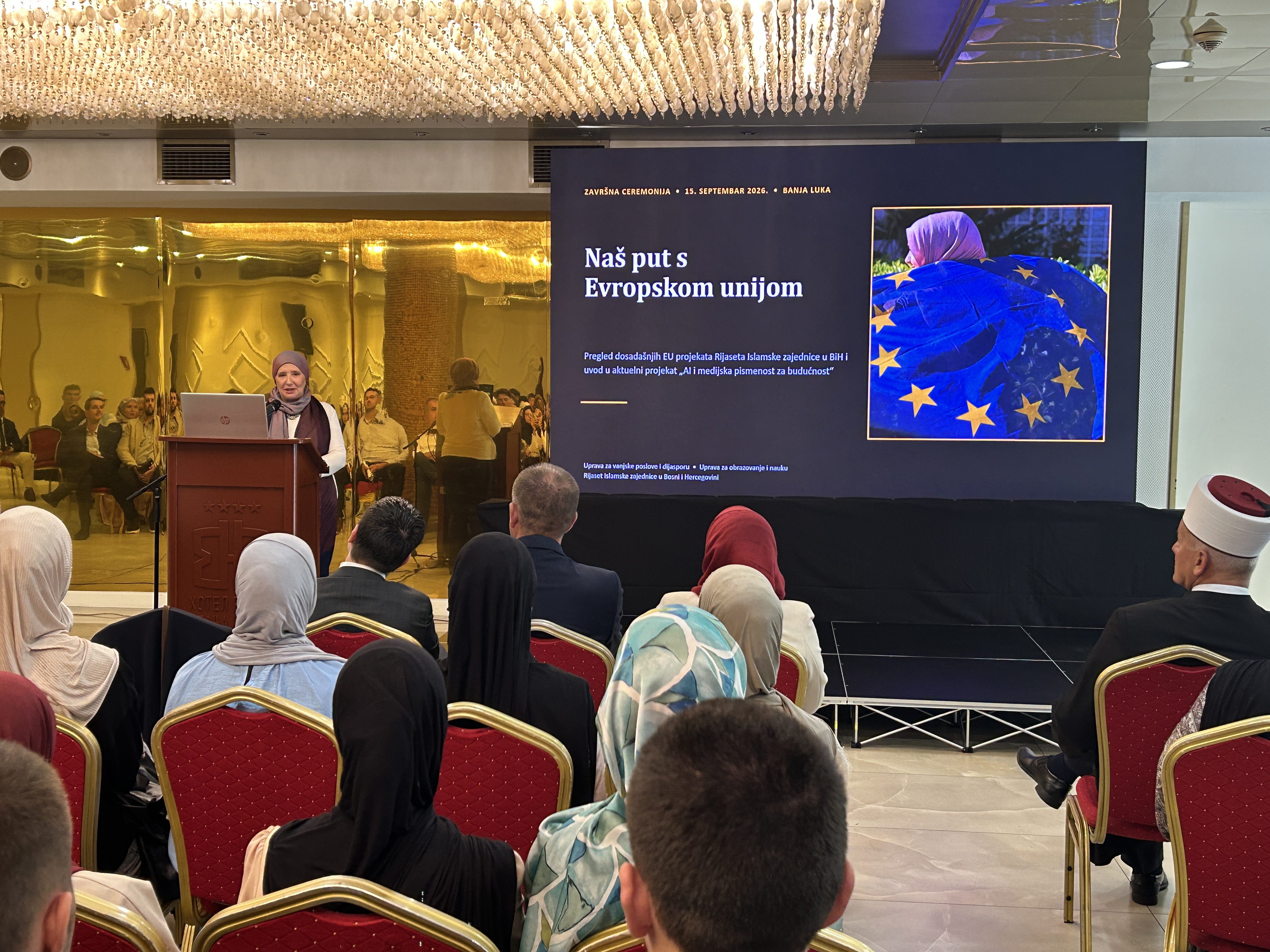
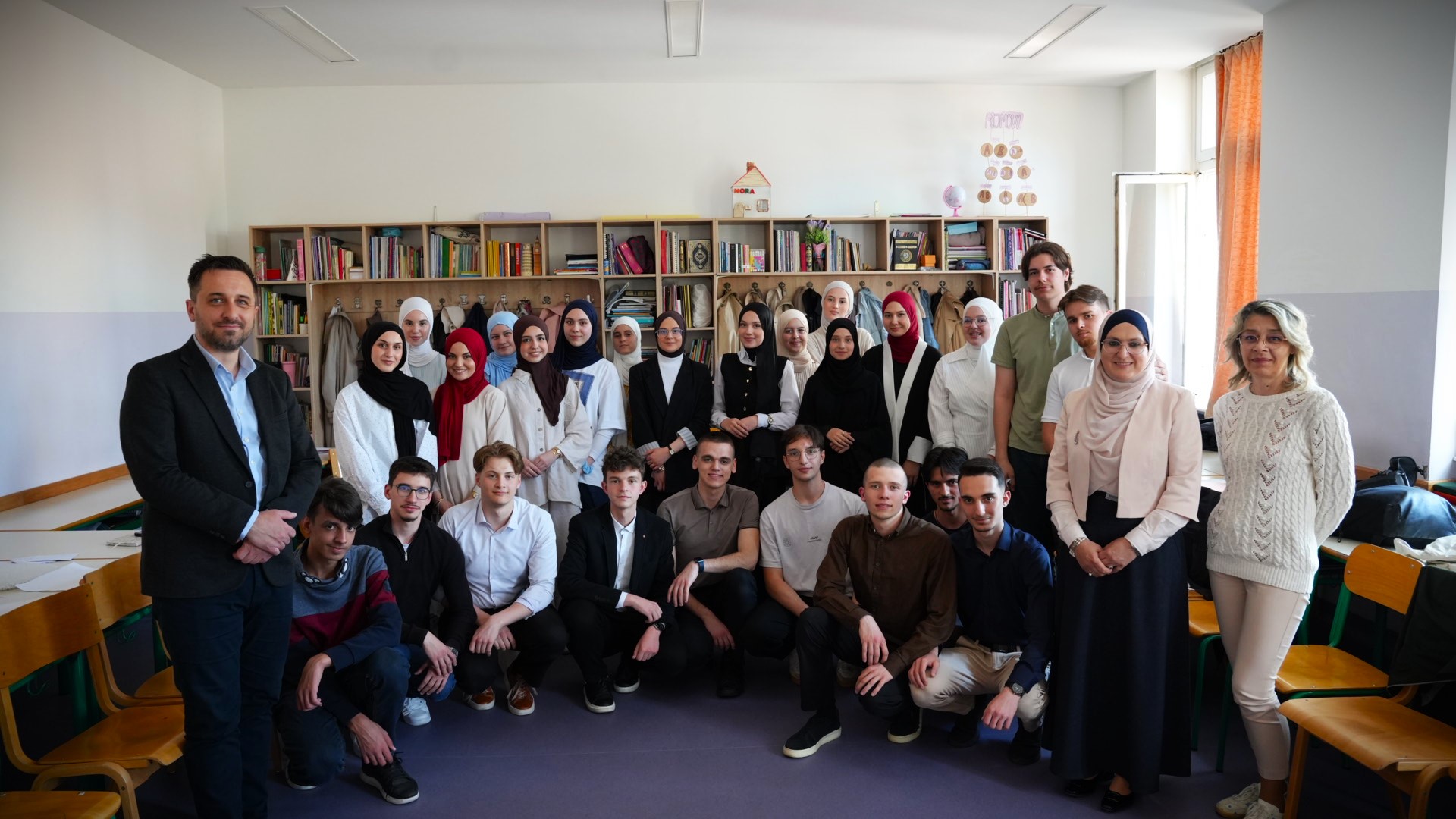
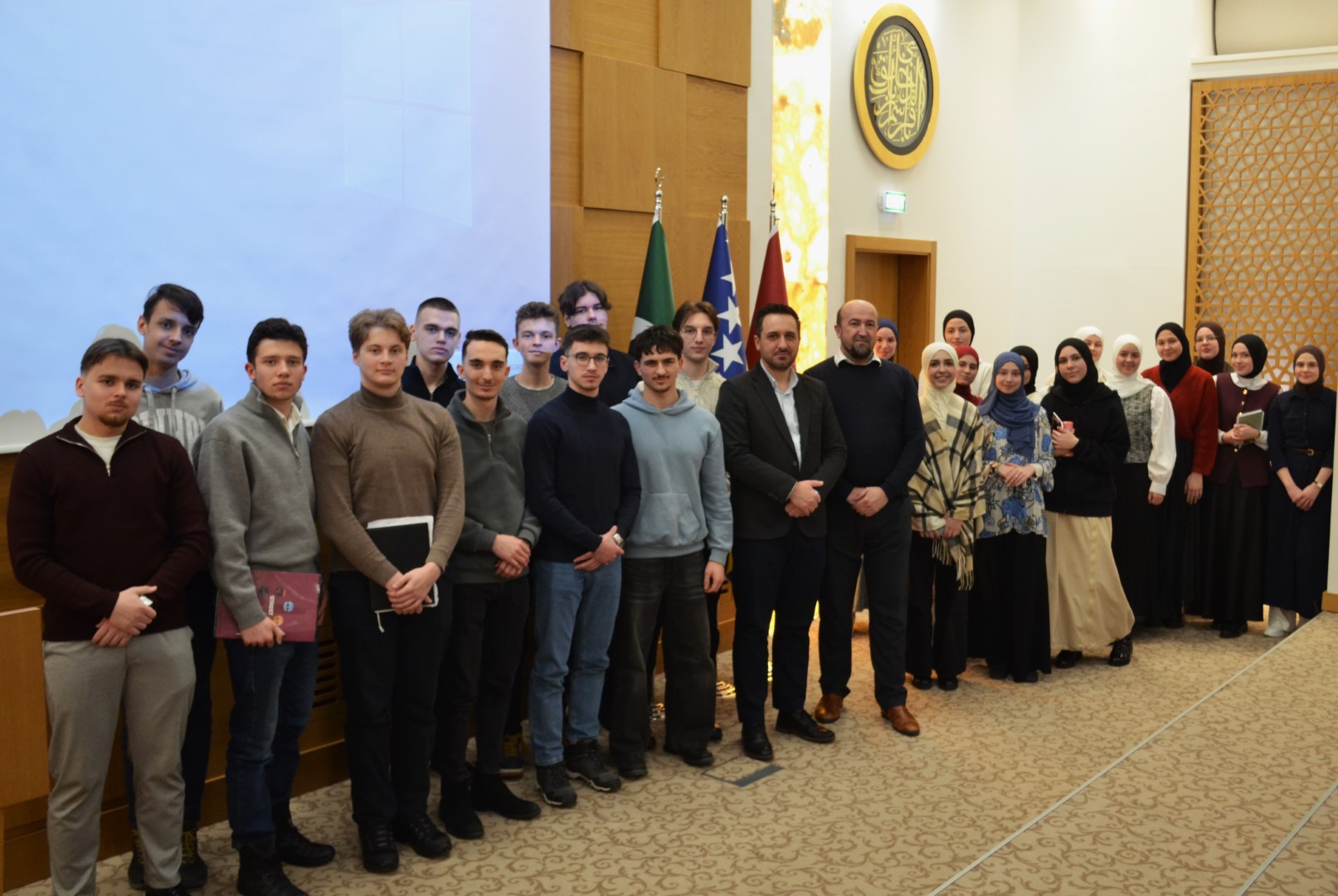
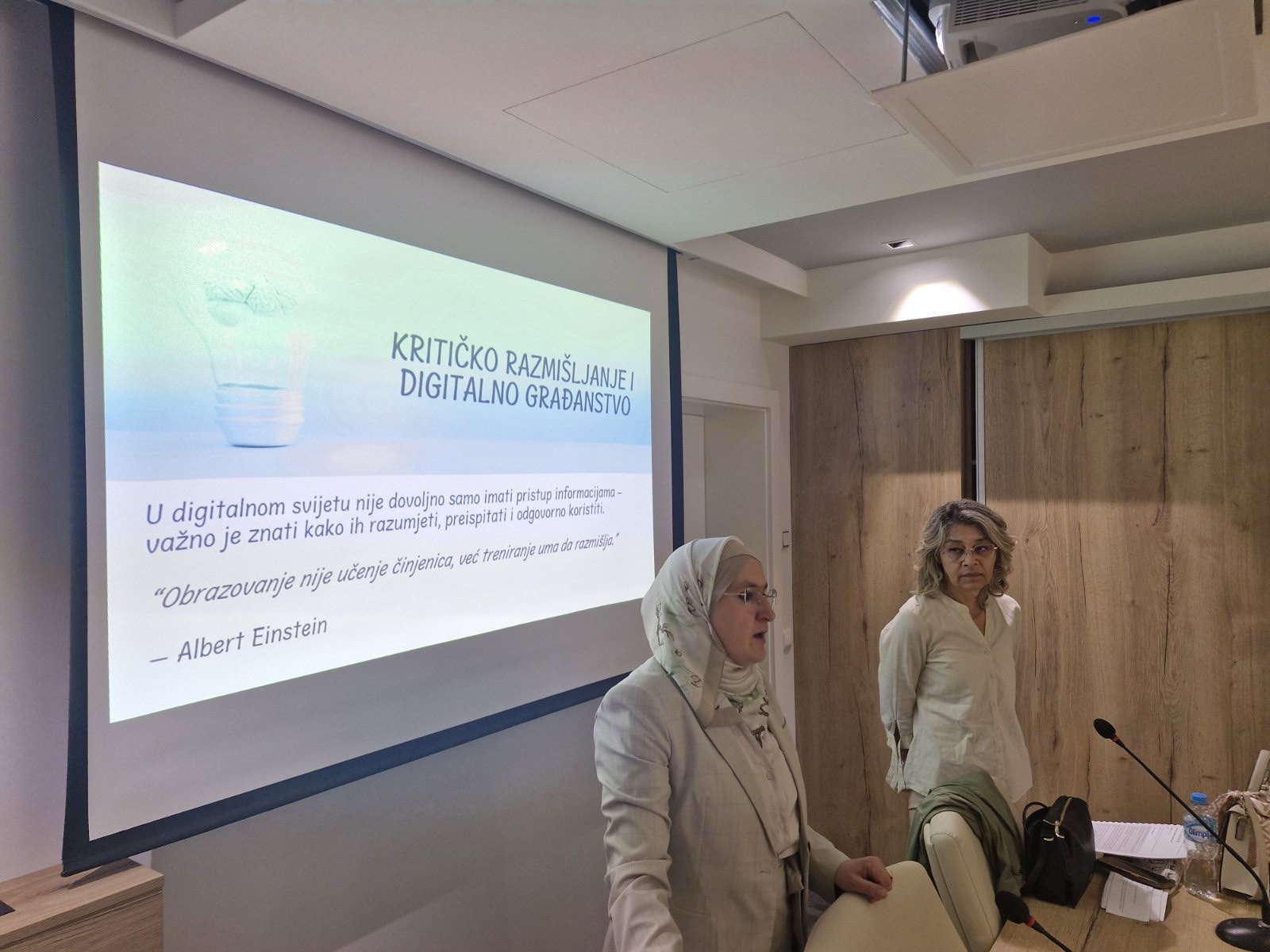
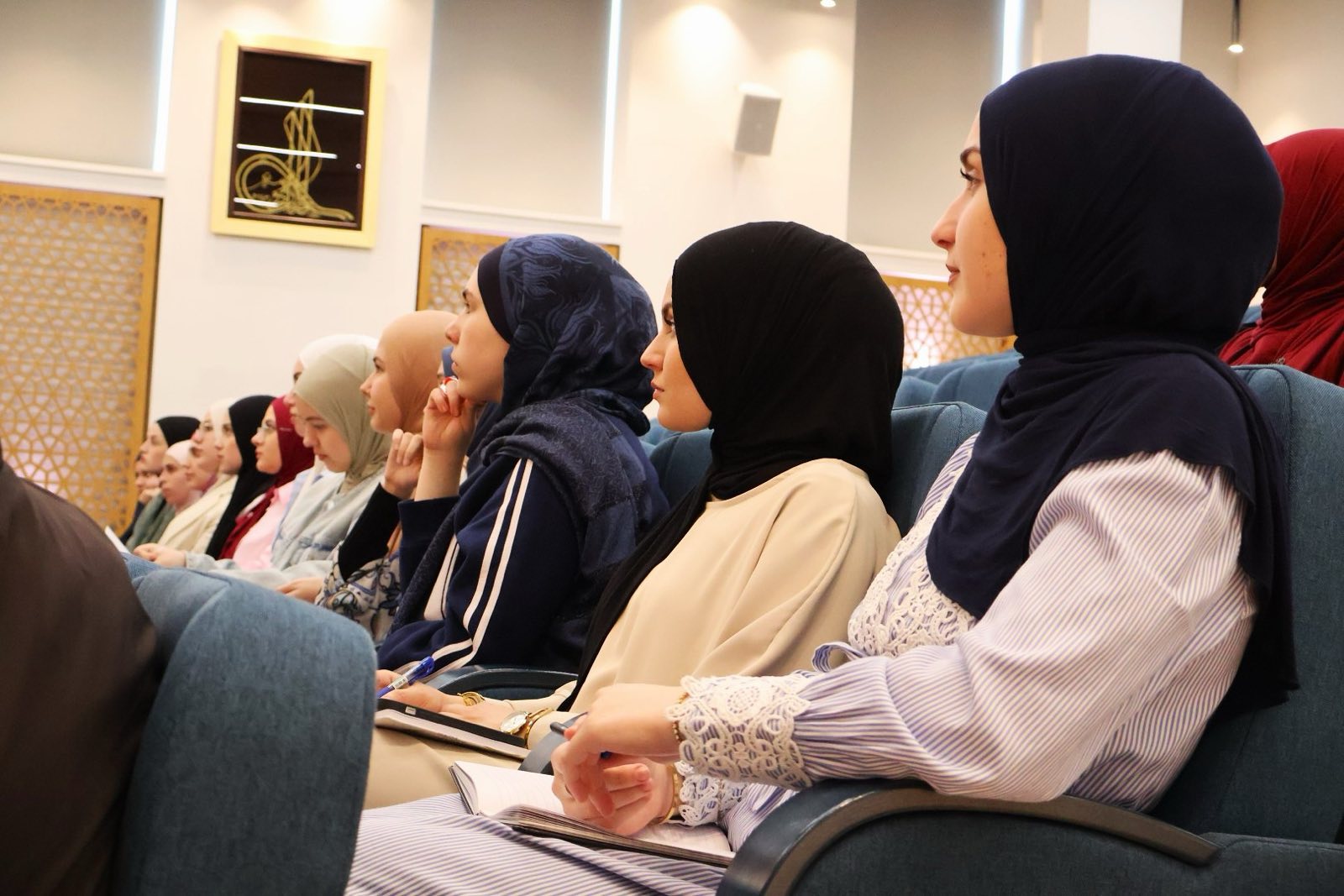
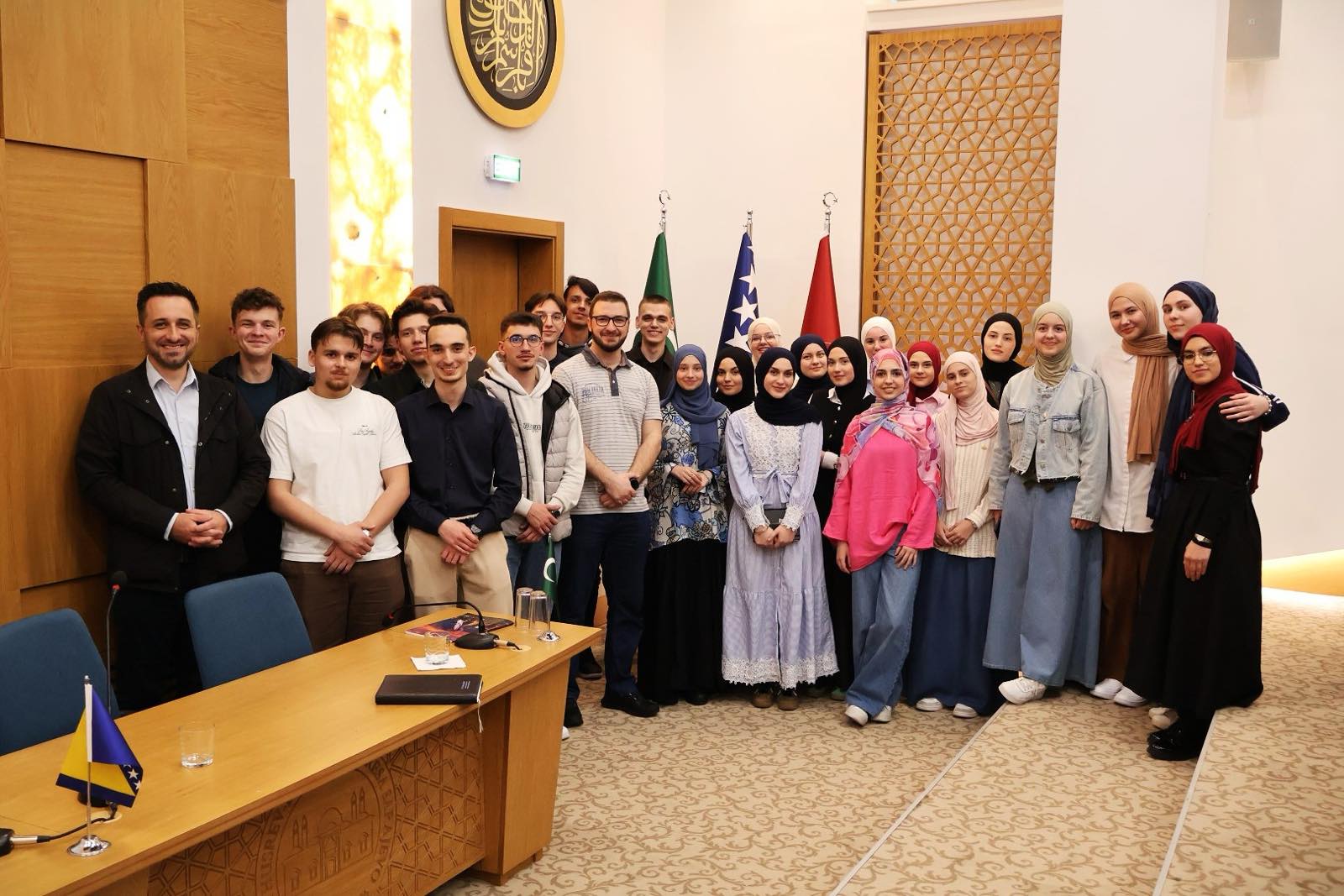
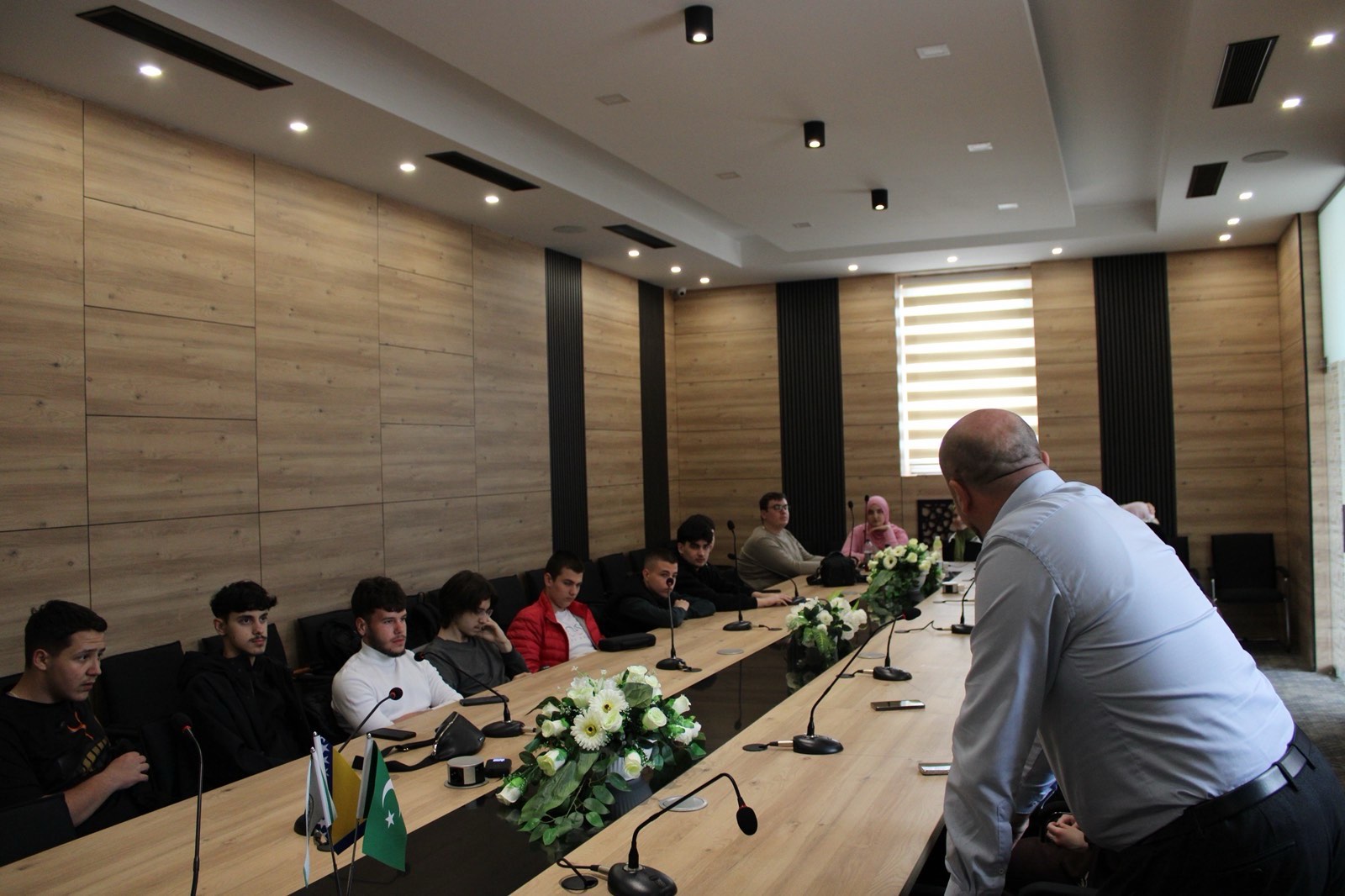
In the past period, the implementation of lectures and workshops continued within the educational project "AI and Media Literacy for the Future," which focuses on strengthening the critical attitude of young people towards the media, digital platforms, and artificial intelligence, and which is being implemented in Sarajevo, Banja Luka, Tuzla, Mostar, Travnik, Cazin, and Visoko.
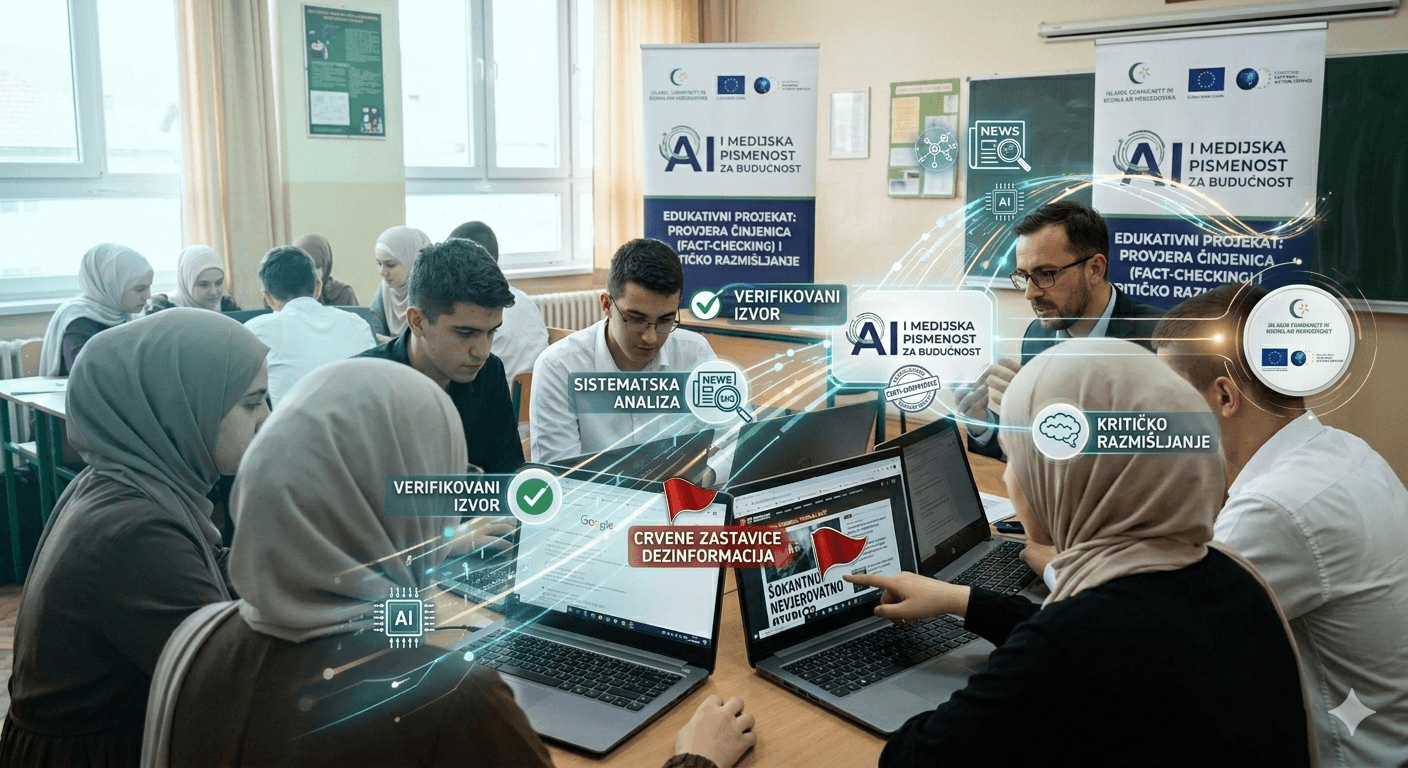
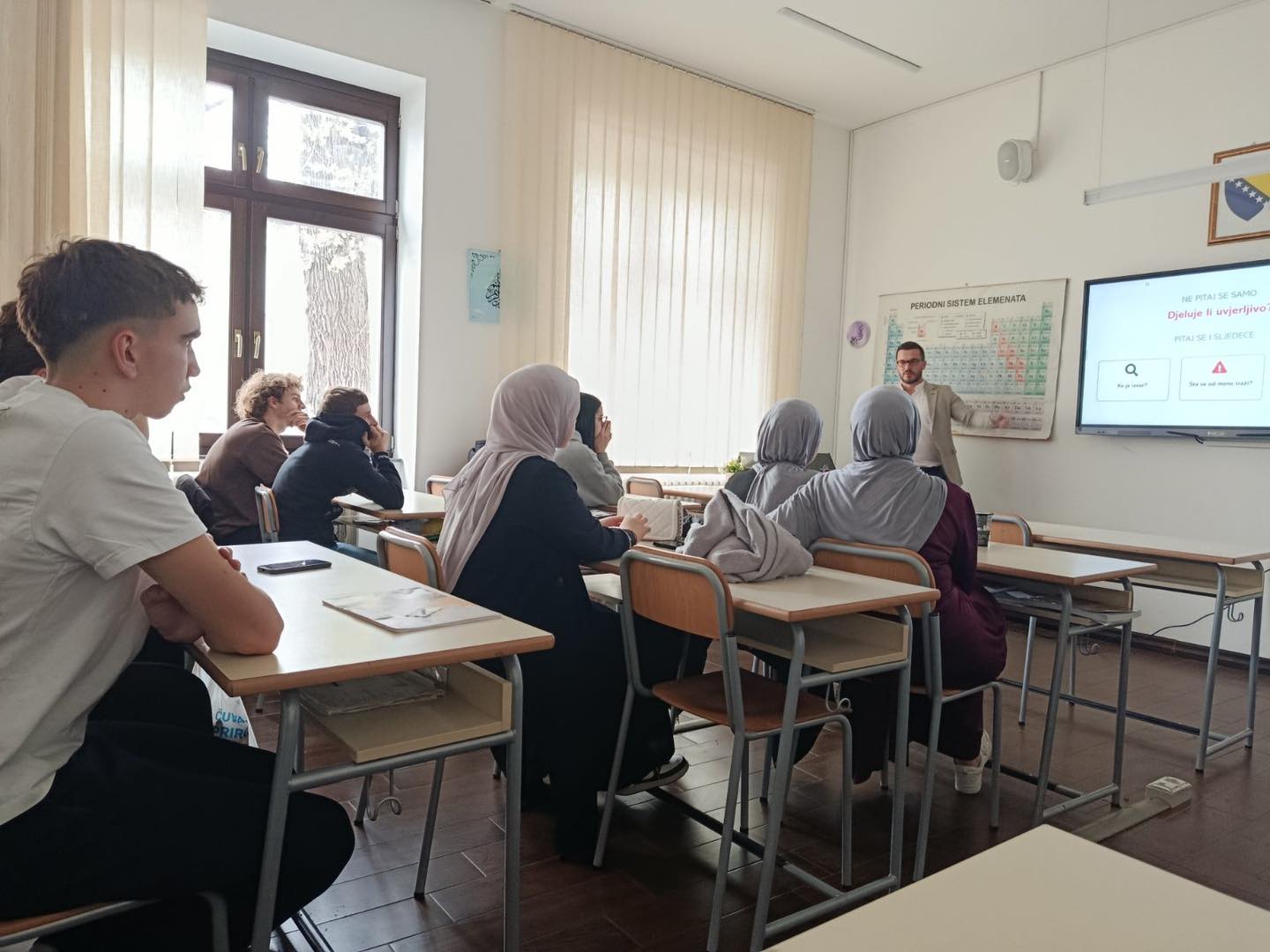
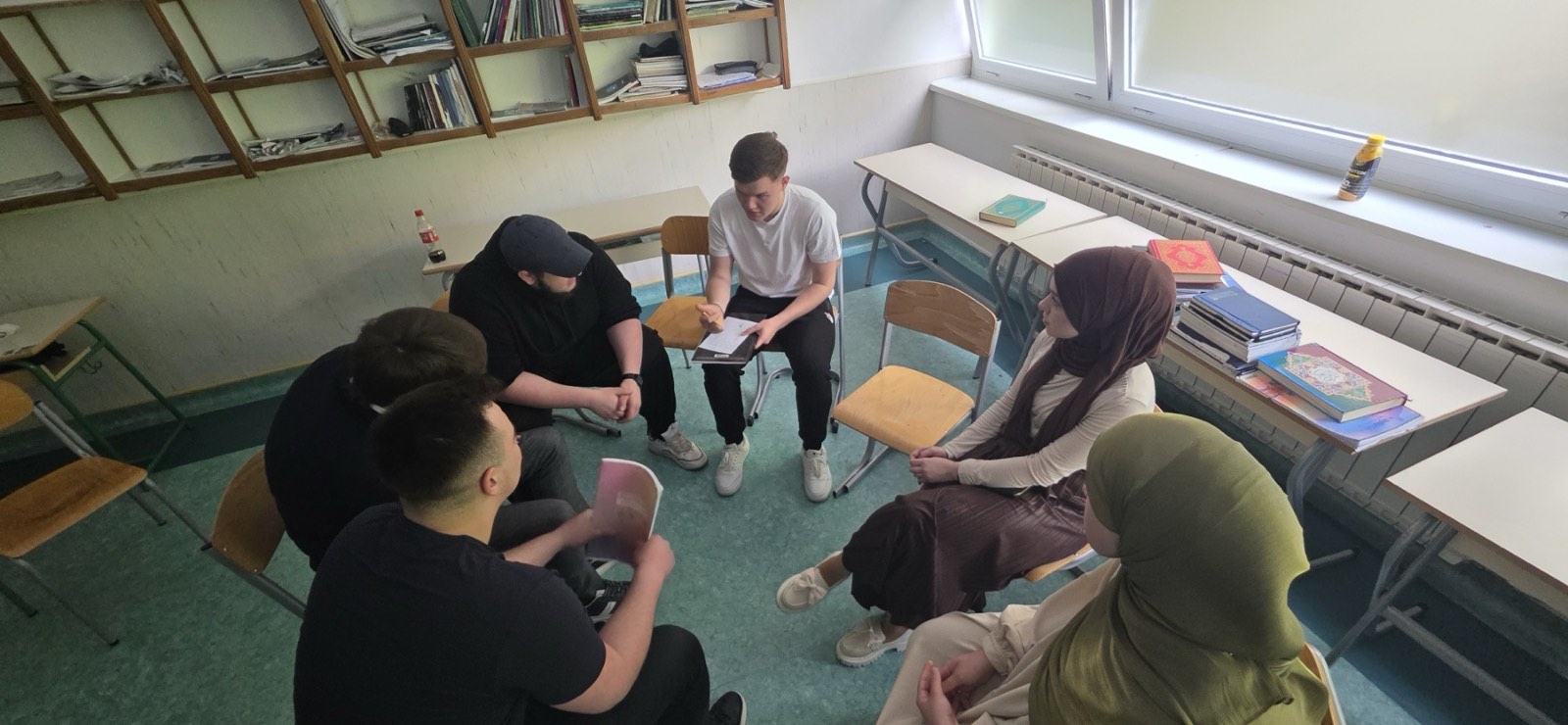
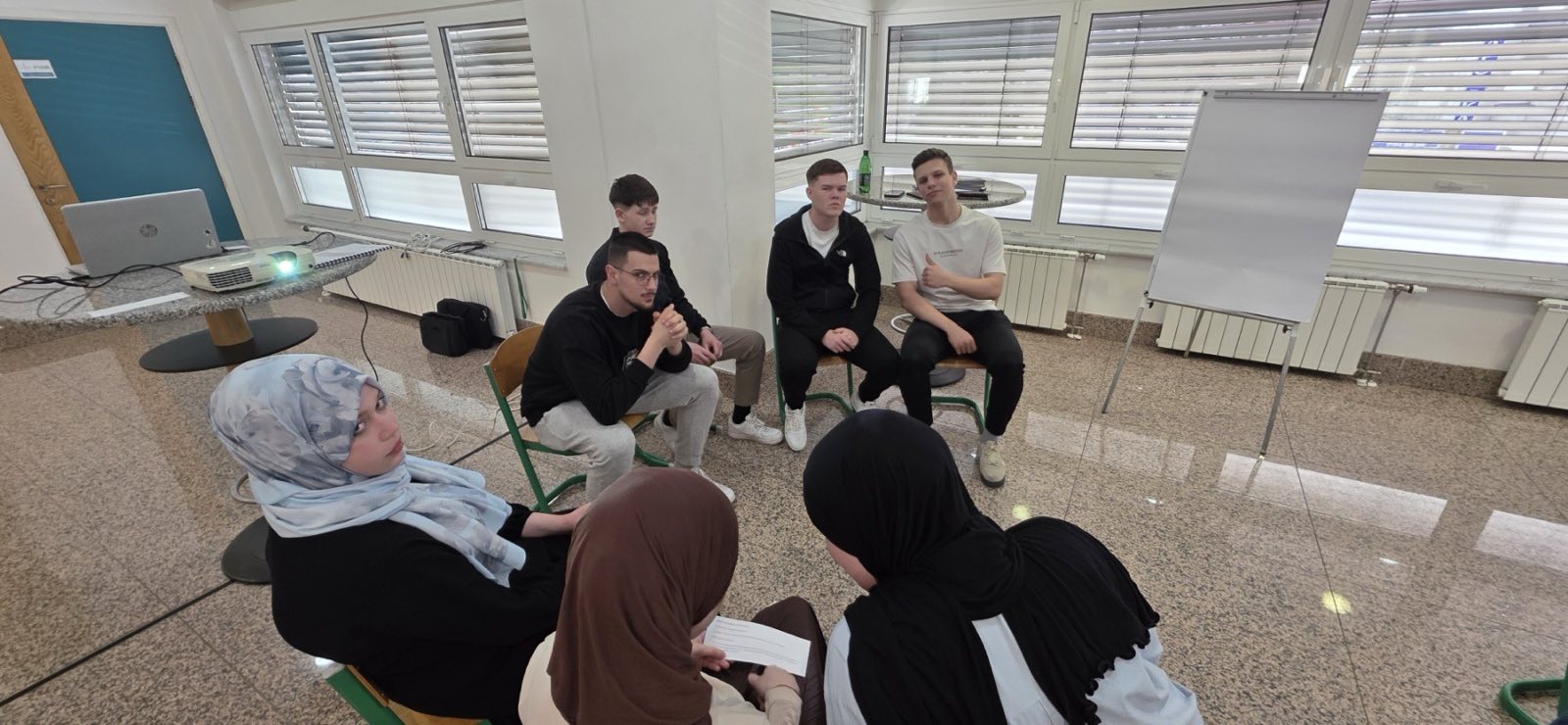
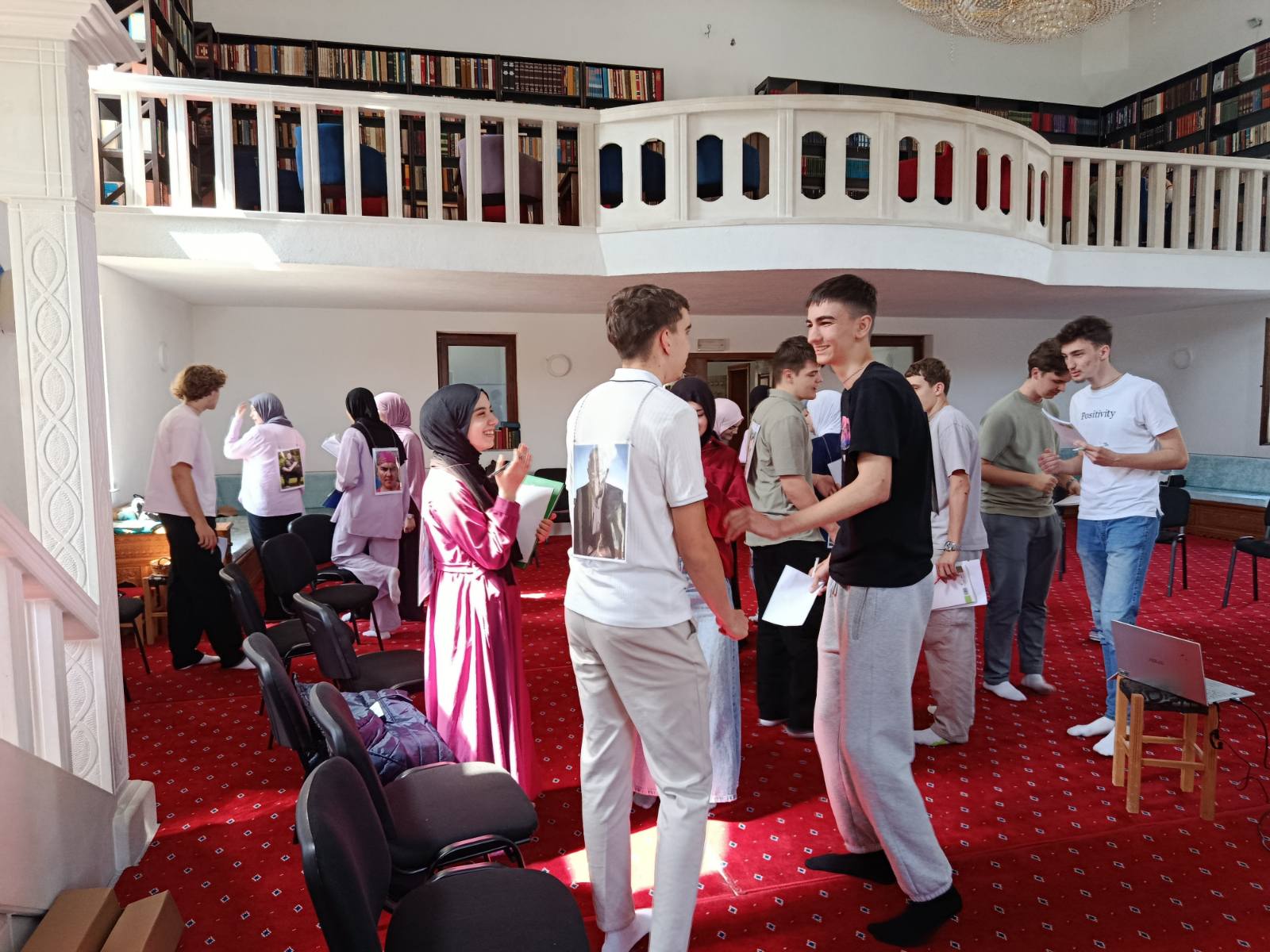
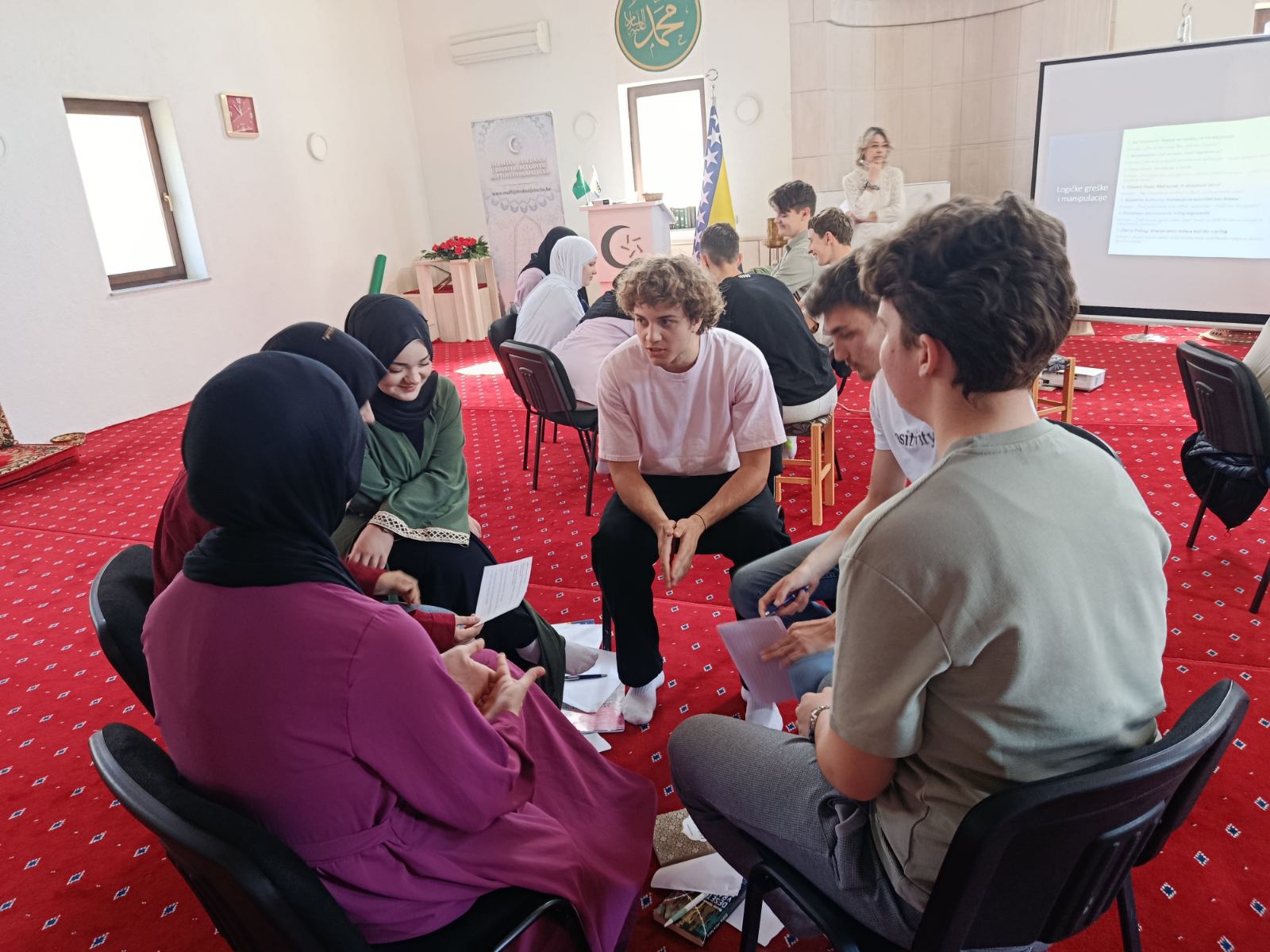
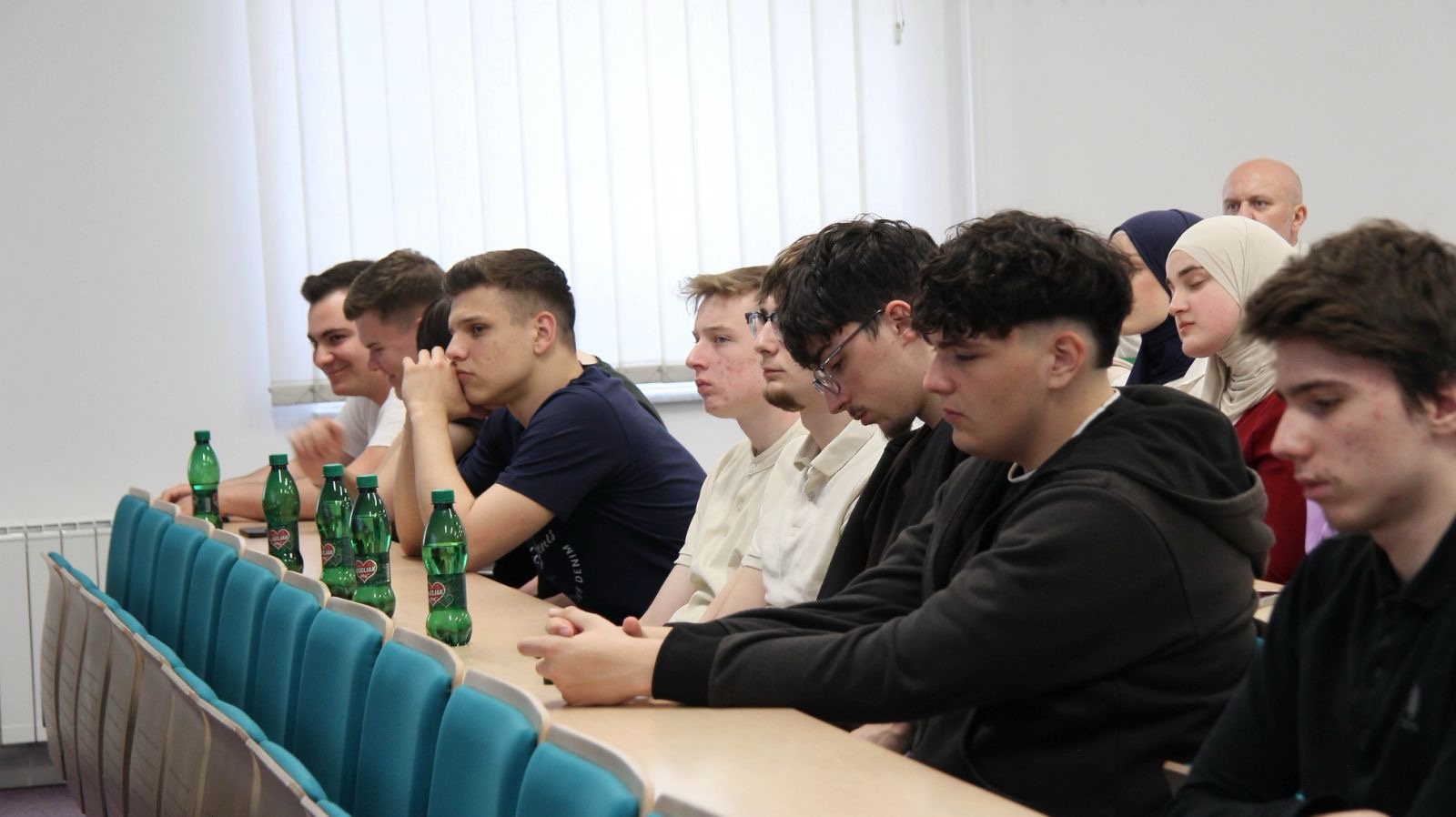
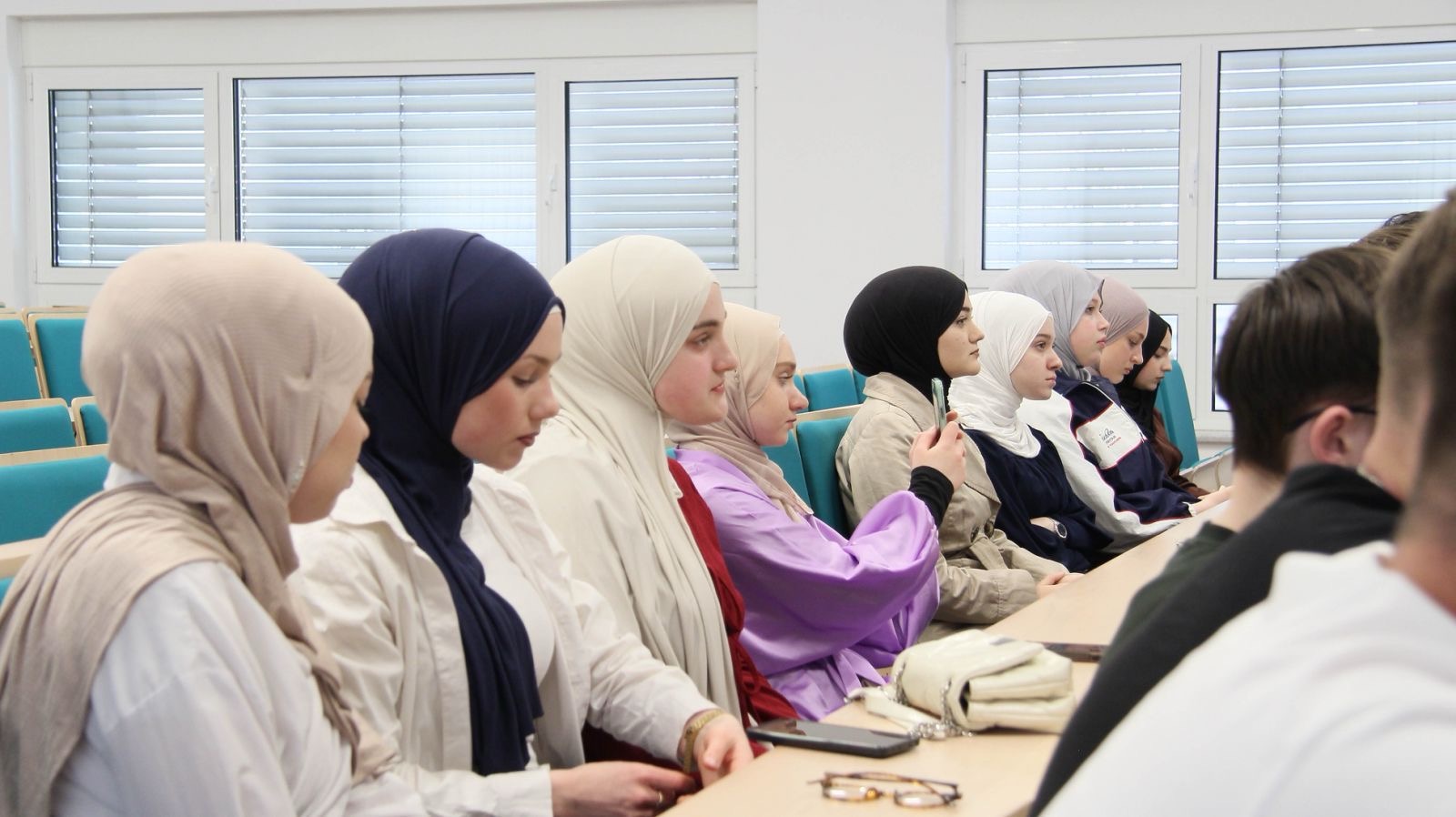
The educational sessions being held in madrasas are focused on developing young people's critical thinking regarding media content, social networks, and modern technologies, especially artificial intelligence. A special focus is placed on understanding how digital platforms and algorithms, which shape the content users see daily on social networks, actually function. Students analyze how emotions, sensationalism, and manipulative headlines affect the spread of inaccurate information, but also why disinformation often spreads faster than verified news.
Within the educational sessions held so far, young people also learned about the basics of artificial intelligence, its everyday application, and the potential risks of misusing AI tools.
"This project is about our future and teaches us how to face the problems of today and our reality," said Imad.
"What makes me particularly happy about this project is that we learned so much about some AI tools we weren't even aware of," said Berina.
According to one of the lecturers, Adnan Mehremić, the students are showing great interest in the educational content.
"I must admit that the students positively surprised me with their knowledge of modern AI technologies and the fact that they are already actively using them. What particularly stood out as one of the biggest prejudices is the belief that AI-generated images and characters can easily be distinguished from real ones. In practice, it turned out that this is no longer simple at all, because technology has advanced so much that generated characters today can look exceptionally realistic," Mehremić said, and pointed out: "On the other hand, through workshops on deepfake videos, it was evident that students, when shown what to pay attention to, very effectively use a common-sense approach, basic laws of physics, and attention to detail to recognize when content is artificially generated. Therefore, with a little guidance, they demonstrated a very good capacity for critical observation. When it comes to LLM tools like ChatGPT, most students primarily use them for school assignments, but unfortunately, often relying on the copy-paste principle. That is why it was important for us to show them that these tools can serve them much better, to help them better understand the material, clarify what is unclear, and get better answers by asking better questions. Also, a common misconception was that LLMs are just a more advanced version of Google, so through the workshops, we explained the basics of how these systems actually work, so that students could use them more consciously, smartly, and responsibly. The most important thing is that young people do not walk away from this topic in fear or fascination, but with the ability to verify, think critically, and responsibly use what is available to them today."
The project "AI and Media Literacy for the Future" is being implemented by the Islamic Community in Bosnia and Herzegovina, through the Directorate for Foreign Affairs and Diaspora and the Directorate for Education and Science of the Riyasat of the Islamic Community, in cooperation with the European Union and the European External Action Service (EEAS). It is a nine-month project with four modules, which will be implemented in all seven madrasas in Bosnia and Herzegovina and include more than 150 students, who will receive certificates for their acquired competencies upon completion of the program.